How To Take Hair Extensions Off Your Hair Without Breaking Your Natural Hair
Londoners are fond of hair extensions because they can change their appearance, and it can be frightening to remove hair extensions. Tape-ins, micro rings, or keratin tips, however you choose to wear them, there is a risk of improper removal resulting in breakage, thinning or permanent damage to your natural hair. Safe removal is essential in keeping the locks healthy.
The clients visiting Ivana Farisei to have their hair extensions in the form of keratin bond attachments ought to seek professional advice on the care that they should take at home, and this ought to be extended when they are ready to have their hair extensions removed. Get the appropriate knowledge of what to use to protect the hair that you have been working so hard to improve.
Understanding When Hair Extensions are Safe to Remove
Hair extensions are not meant to be permanent, and knowing when to take them off plays a major role in maintaining healthy natural hair, a detail often mentioned in a social media post. Hair growth eventually causes a separation of bonds or tape sheets that grow off the scalp causing tangling, matting and even traction alopecia when unchecked.
Clues that it is time to remove it include an observable distance between the bond and the scalp, uncontrolled shedding around the bonds or discomfort including itchiness or scalp tenderness. In case extensions appear sparse, uneven or are hard to style, it is clear that they have reached the limit of their useful life.
Average life span of wear depends on the technique. keratin-bonded and tape-in hair extensions can be expected to last a range of 812 weeks with maintenance, whereas micro rings and nano ring systems can last a bit longer.
Adhesive integrity can also be influenced by the environmental conditions like the humidity or the exposure to hard London water. The postponement of removal enhances the risk of tangling and breakage, thus safe removal is more time consuming and less predictable.
Following the suggested time would keep the structure of hair intact and avoid undue pressure on scalp and cuticles. In all techniques, it is advisable to set aside a special eradication session instead of trying to hurry the procedure.
Safe Hair Extension Removal Instructions
Unsafe removal of extensions requires patience, good tools, and technique-specific approaches. Trying to draw or cut the extensions may result in severe and even permanent harm. You always begin by collecting specialized tools of removal like bond dissolvers, sectioning clips and a heavy, wide-toothed comb.
Cutting Keratin Bonds and Tape-Ins
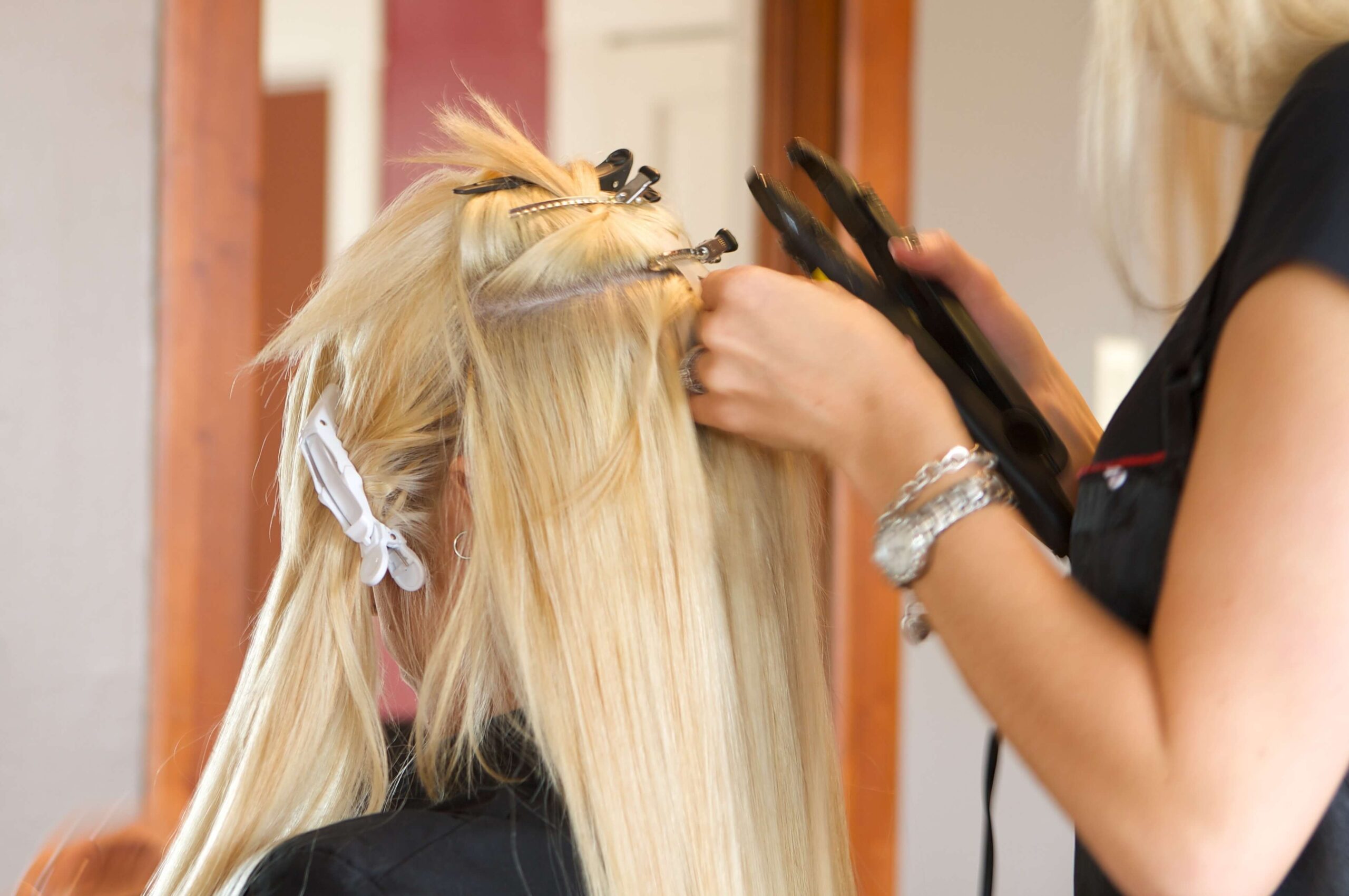
In the case of keratin bonds, then a good bond remover that has been specifically developed to remove keratin bonds is necessary. Place a little on each bond and massage until the bond becomes soft. Break the softened bond with hair extension pliers, and then slide it off, making sure not to pull on the natural hair.
In the case of tape-ins, moisturize the adhesive section with a tape remover, allow the adhesive to fully dissolve and carefully loosen the wefts with your hair. Always work in small portions and do not push the tapes apart.
Micro Rings and Nano Bonds
These techniques involve attaching extensions in your natural hair with small metal rings. To take out, insert micro ring pliers to squeeze the ring against the direction of application, letting the extension strand come out. Intention is to work in a systematic manner around the scalp to avoid any bonds or rings being overlooked.
The people of London tend to use less maintenance techniques like nano bond extensions Ivana Farisei sells nano bond extensions are made with ultra-miniature beads to ensure they are most comfortable and discreet. Equivalent removal procedures are used- small, controlled movements using the appropriate tool will mean minimum pulling or tugging.
General Aftercare Post-Removal
After the extensions are removed, be sure to detangle the hair and shampoo to remove any residue or buildup. Apply a nourishing conditioner or a light protein treatment to add back in the moisture and elasticity to your natural hair. Avoid reapplying new extensions immediately; give your hair at least one to two weeks’ rest to recover. In case of any strange thinning or irritation, seek the advice of a hair care specialist prior to the next installation.
Some of the Most Frequent Errors and Best Practices in Maintenance
Errors made in the process of removal may affect the health and life of your natural hair. To avoid such pitfalls, follow these tips:
1. Do not apply household oils, acetone, or anything which is not made specifically to remove hair extensions.
2. Do not tear, cut or pull extensions, this breaks and makes them thin.
3. Forgoing sectioning results in bonds and matting disconnection around the roots.
4. Failure to secure the hair at the bond may overstretch follicles, causing shedding.
5. The products of overlap may result in irritation or allergic reaction of the scalp.
Ivana Farisei is the source of instructions on how to take care during the extension process, such as removing specialty blends such as ombre hair extensions Ivana Farisei is the company that produces ombre hair extensions which have colour transitions and bond structure.
An orderly progression will enable you to prevent failures:
1. Part hair back in order to see and reach.
2. It is only professional-grade removal solutions that should be used according to your extension technique.
3. Take ties or rings out gradually, taking care of the natural hair.
4. When each section is done, detangle with a wide-toothed comb.
5. Post-removal Conditioning: thoroughly post-removal, and rest of the scalp.
When to Use the Service of a Professional to Remove Hair Extensions?
Home removal is not recommendable at times. Should you be unsure, experience too much matting, or sensitive scalp conditions, make an appointment with an hair extension who is certified. The industry-standard techniques and products applied in professional salons in London guarantee a gentle and thorough process of removal.
In case you installed extensions in a way that is unrelated to you or you have done some previous DIY that had some harm, professional interventions ensure that your hair is not damaged any more. Proper removal is an important aspect of the hair extension process that will help protect the integrity and health of your natural hair and give you healthy and full results every time you have a set.